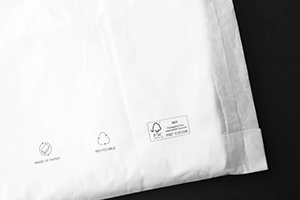
Introduction: Why Glassine Paper Deserves Your Attention
Have you ever opened a package and been captivated by the sleek, almost mirror-like finish of the wrapper? Or perhaps you’ve been impressed by how certain materials deflect grease with ease while maintaining an air of sophistication?
Allow me to introduce glassine paper, a true unsung hero in the realm of packaging. For business owners, packaging buyers, or managers, understanding this translucent marvel could become your ace in the hole for safeguarding fragile products or meeting sustainability goals. With its remarkable blend of strength and eco-friendliness, glassine paper—crafted from 100% wood pulp and fully recyclable—promises to be a standout choice.
Let’s delve into what sets glassine paper apart, explore its transformative potential, and see how, with its glossy charm and durable nature (boasting a density of 40–90 gsm), it could redefine your packaging game. Moreover, as we’ll uncover, its grease-resistant and pH-neutral properties ensure both practicality and longevity, making it an investment worth considering.
What Exactly Is Glassine Paper, and Why Should You Care?
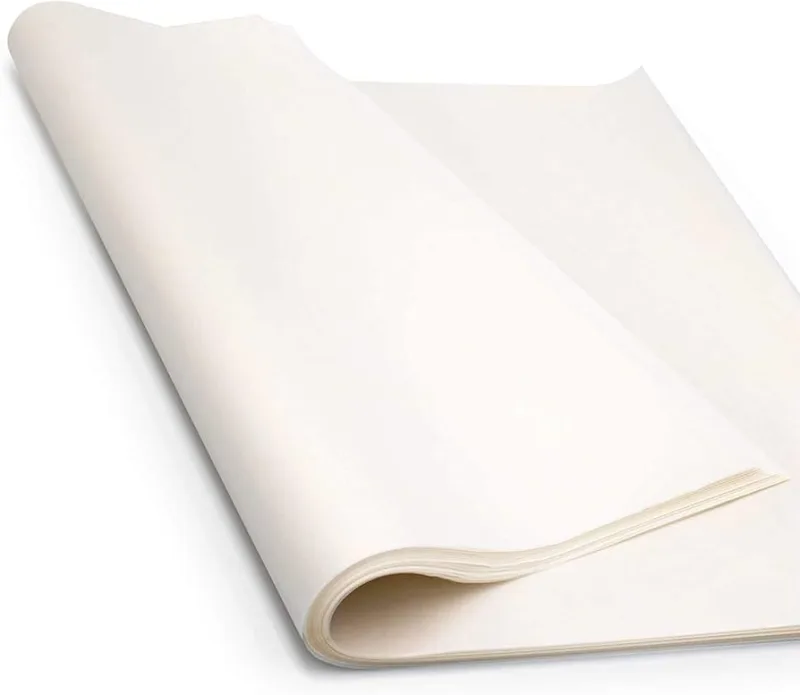
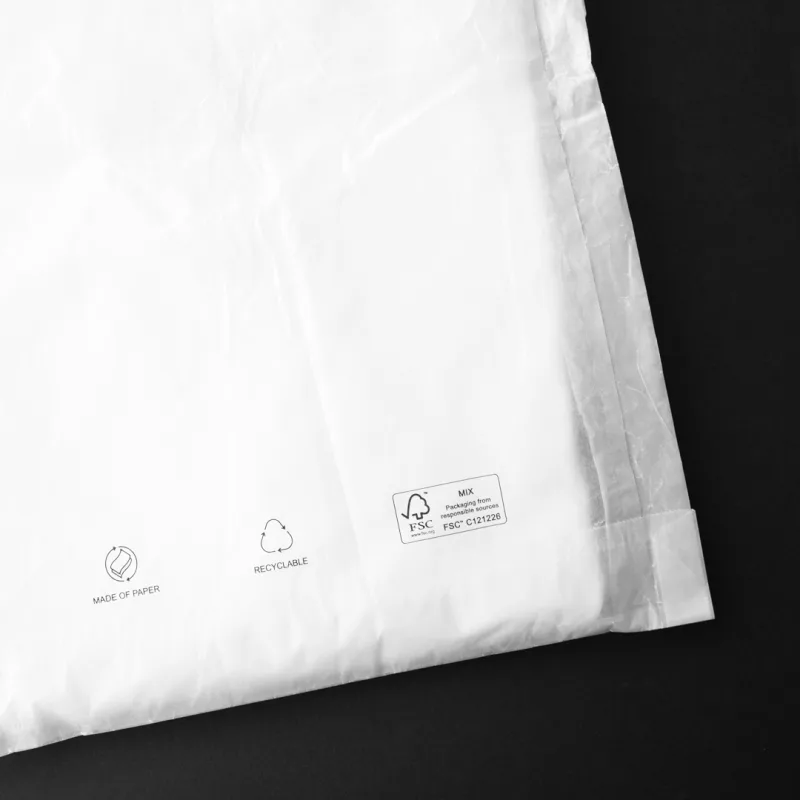
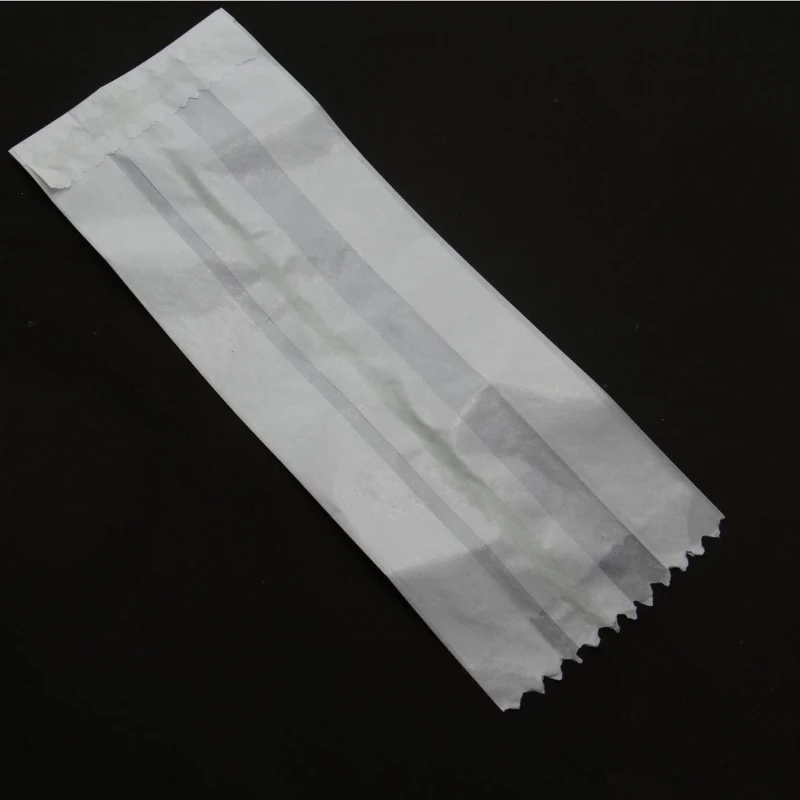
At its core, glassine paper is a remarkable material born from wood pulp, often mistaken for waxed paper or plastic due to its striking sheen. Let’s set the record straight—it’s neither of those. This acid-free paper offers grease-resistant qualities, a gentle barrier against moisture, and a polished, glossy surface that mirrors the translucency of glass. Picture it as a protective Veil: transparent enough to tease at the contents within, yet sturdy enough to guard them from harm.
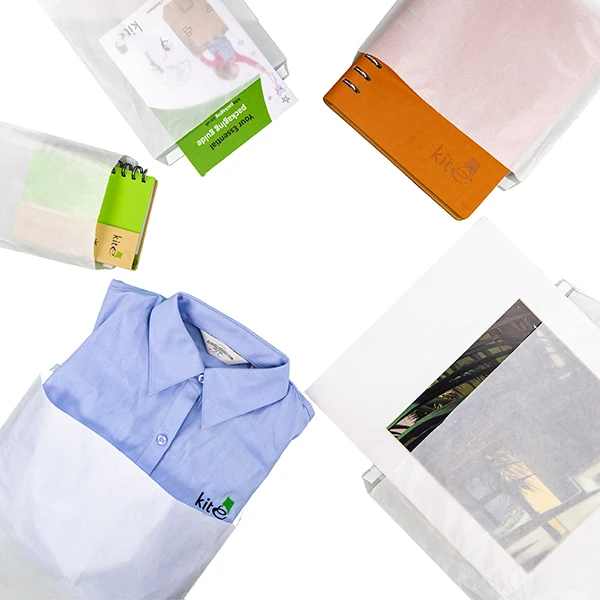
Why does this deserve your attention? If you’re navigating the worlds of food, art, or retail packaging, the challenge of sourcing materials that safeguard both your products and the environment is ever-present. Enter glassine as a waxed paper alternative, standing tall as a recyclable and biodegradable solution—truly a beacon for brands striving to embrace sustainability amid growing eco-conscious demands.
Moreover, its journey from wood pulp to finished product involves unique processes like supercalendering, which crafts its signature smooth finish, making it not just practical but visually exceptional. But what exactly fuels its distinctiveness, and where does this extraordinary material originate?
How Is Glassine Paper Crafted?
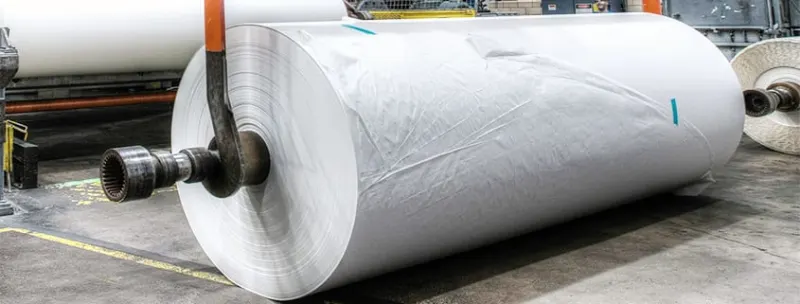
The journey of glassine paper starts with hardwood giants such as aspen or birch, which are meticulously turned into pulp within the busy walls of paper mills. These logs are carefully broken down into minute fragments before being subjected to high-pressure cooking, a vital step that extracts lignin—a troublesome element notorious for rendering paper fragile and discoloured over time. Consequently, this rigorous process guarantees that glassine stays acid-free and robust, ready to stand the test of time.

What sets glassine apart is an ingenious technique known as supercalendering. Imagine the paper gliding through a gauntlet of heated rollers, each pass compressing its fibres into a marvel of density, resulting in that signature smooth and glossy finish. The outcome is a remarkably low-porosity material, serving as a natural moisture barrier without relying on waxes or plastics, while boasting enhanced strength properties like superior tear resistance and folding endurance. Indeed, this craft transforms paper into a sustainable masterpiece, blending functionality with eco-conscious elegance.
What Sets Glassine Paper Apart from the Rest?
You may ask yourself, “Aren’t all papers pretty much identical?” Far from it. Glassine stands out from the crowd like a virtuoso amidst amateurs. Let’s compare it directly to standard paper in a revealing face-off.
- Strength: Ranging from 40-90 gsm, glassine often doubles the sturdiness of typical paper, showcasing exceptional tensile and bursting strength. It endures stress with unwavering resilience.
- Resistance: Through the magic of supercalendering, it inherently repels grease and resists ambient moisture with ease. In contrast, ordinary paper absorbs water as eagerly as a parched desert.
- Texture: Glassine feels as sleek as a still pond, devoid of any grit or “tooth”. Unlike rougher counterparts, it neither sheds particles nor risks damaging fragile surfaces.
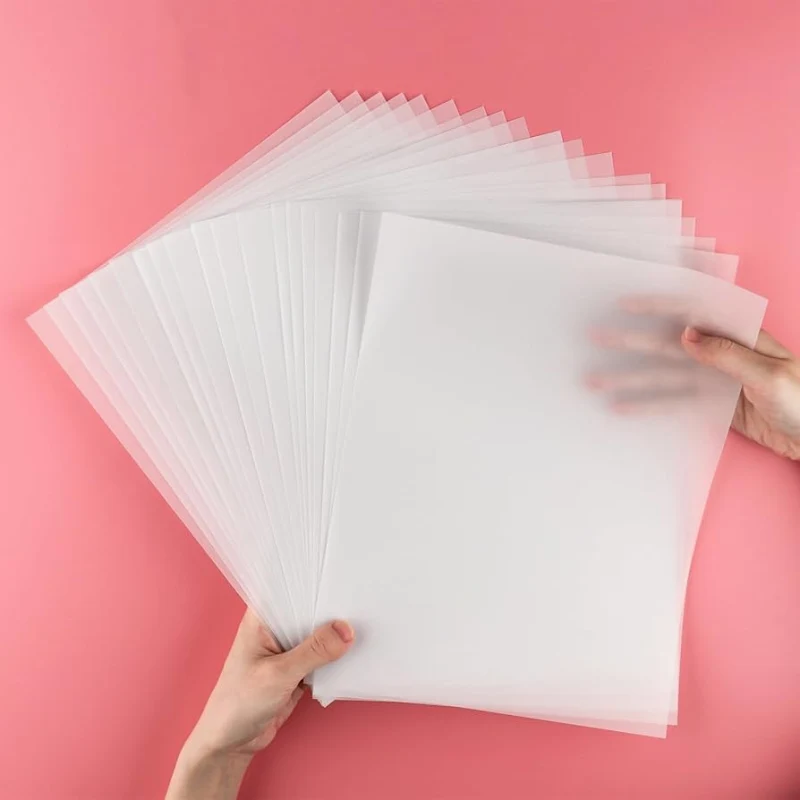
- Appearance: As a translucent marvel, glassine tantalises with a partial view of its contents, preserving a hint of mystery. Regular paper, frankly, pales beside this captivating charm.
Picture glassine as a gallant guardian in gleaming armour, protecting your goods with sophistication while lesser papers crumble at the faintest challenge. So, where does this remarkable material truly excel?
Where Can You Use Glassine Paper?
Glassine paper shines across various sectors, marrying practicality with an elegant flair. Below, I’ve outlined some remarkable glassine paper uses that could perfectly match your requirements:
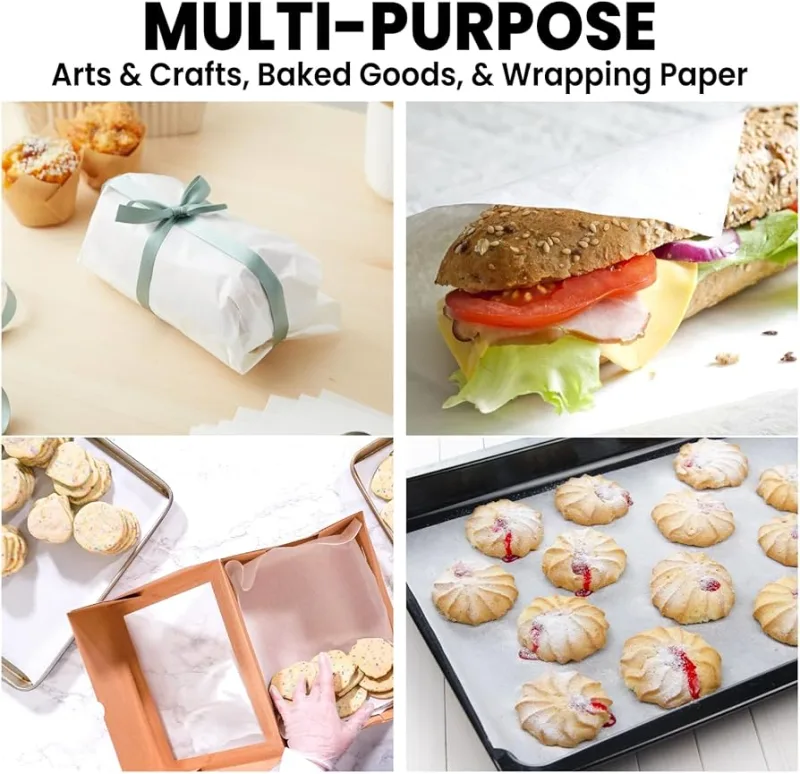
- Food Packaging: Be it encasing succulent deli meats or supporting bakery trays, its grease-resistant charm fends off unsightly spills. That translucent bag cradling your flaky morning pastry? Chances are, it’s crafted from glassine.
- Artwork Preservation: Boasting archival quality, this paper safeguards cherished paintings, vintage photographs, and delicate book pages from the ravages of time. Museums frequently use it to nestle between precious folio sheets for ultimate protection.
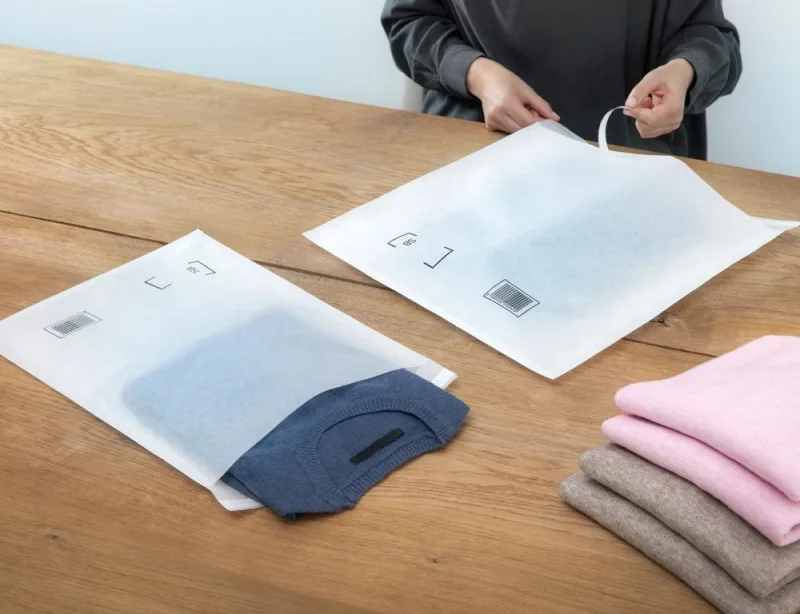
- Retail Displays: It transforms into exquisite translucent packaging or wraps, elegantly displaying products while guarding them against the bumps of transit.
- Labels and Stickers: Often referred to in trade circles as industrial glassine, it acts as a reliable backing for sticky labels, guaranteeing a smooth, residue-free release.
- Stamp Collecting: Enthusiastic philatelists treasure glassine envelopes for storing stamps, appreciating the gentle, non-abrasive texture that preserves their prized collections.
Imagine snatching a warm donut from a glassine pouch at your neighbourhood bakery. The wrapper shimmers subtly in the light, not a hint of grease escapes, and you’re instantly enchanted. That’s the subtle allure of glassine weaving its magic. Yet, is it the ideal solution for every scenario? Let’s explore further.
What Are the Pros and Cons of Glassine Paper?
Like any material, glassine paper has its moments of brilliance and a few drawbacks to consider. Evaluating these aspects can help you determine if it’s the perfect fit for your packaging needs.
Advantages of Glassine Paper
- Durability: Thanks to its dense composition, achieved through meticulous processing of wood pulp and the removal of lignin, glassine paper withstands rough handling far better than flimsier options. It’s like a steadfast protector for delicate products.
- Eco-Friendliness: Made entirely from wood pulp, often sourced from certified sustainable forests, it’s both recyclable and biodegradable, making it a stellar choice for brands passionate about reducing their environmental footprint.
- Protection: Acting as a robust moisture barrier and grease repellent due to its supercalendered finish, it safeguards contents without the need for harmful chemical coatings.
- Aesthetic Edge: Its translucent sheen, a result of careful bleaching and refining processes, adds a touch of sophistication, letting customers glimpse the packaged items while ensuring their safety.
It’s comparable to a reliable companion—sturdy, earth-friendly, and pleasing to the eye—a truly uncommon combination. However, there are a few hurdles to overcome on this journey.
Drawbacks of Glassine Paper
- Printing Challenges: Due to its low porosity, ink takes longer to dry on glassine, increasing the risk of smudges. Therefore, specialised printing methods are often necessary to achieve sharp, clean outcomes.
- Embossing Struggles: The incredibly smooth surface, a hallmark of the supercalendering process, can crease or distort during embossing, making detailed designs trickier to execute.
- Limited Waterproofing: While it offers some resistance to moisture, it’s not entirely waterproof. If exposed to water for extended periods, penetration is inevitable, which is a factor to bear in mind.
These peculiarities aren’t deal-breakers, yet they demand careful consideration. So, how can you tailor glassine to meet your specific packaging demands?
How Can Glassine Paper Solve Your Packaging Challenges?
If glassine paper has caught your eye but you’re uncertain about integrating it into your business, let’s chart a clear and practical course. Think of this as your roadmap to effortless adoption.
- Identify Your Specific Needs: Are you seeking grease resistance for items like freshly baked pastries, or delicate protection for treasures like fine artworks? Glassine excels in both arenas, yet defining your focus is vital. A bakery might wrap croissants in its protective embrace, while an art gallery shields precious pieces with its acid-free barrier.
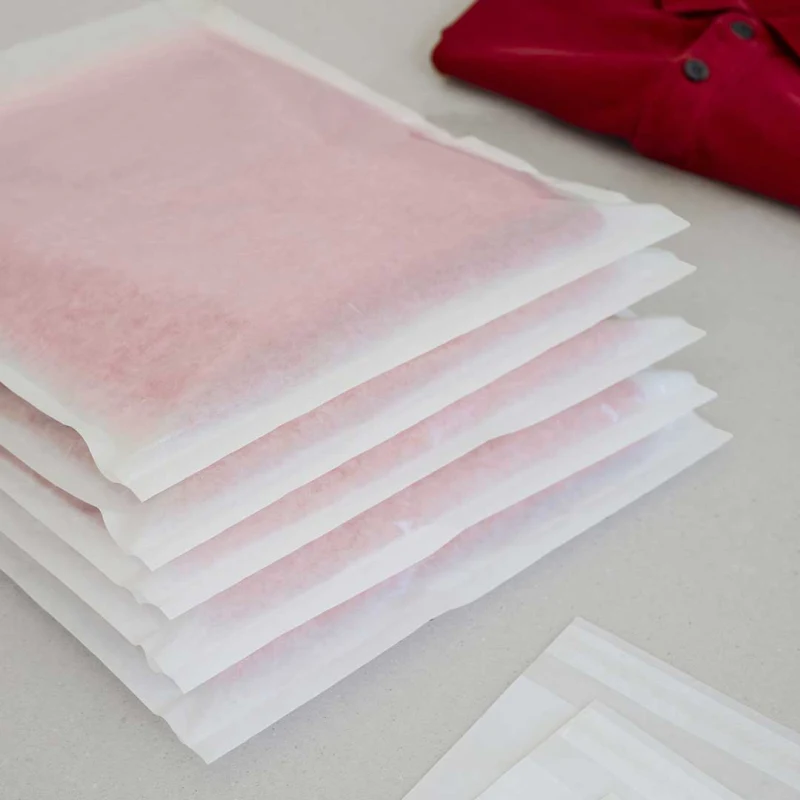
- Assess Quantity and Tailoring Options: Determine the volume required and explore whether bespoke sizes or designs are feasible. Glassine is available in bags, sheets, or rolls, but beware that its low ink absorption can complicate printing, often necessitating professional input to avoid smudges.
- Conduct a Pilot Run: Begin with a small-scale test to see how glassine interacts with your products. Does its sleek, glossy surface enhance your brand’s allure? Does it uphold the promised moisture shield to safeguard quality? trialling it first sidesteps expensive errors.
- Support Sustainable Objectives: If reducing plastic use is on your agenda, glassine serves as a stellar waxed paper substitute. Highlighting its biodegradable and compostable credentials can also captivate eco-minded consumers, strengthening your green ethos.
- Team Up with Experts: Working alongside a supplier fluent in glassine’s subtleties ensures top-tier results. Reputable firms like C MIC Packaging focus on uncompromising quality and craft custom solutions, deftly navigating challenges such as embossing or tricky print jobs with finesse.
Picture rolling out glassine bags for your boutique fashion store. Their subtle translucency offers a teasing glimpse of the designs nestled inside, they’re grease-proof against unforeseen spills, and fully recyclable to align with the values of sustainability-focused buyers. With expert guidance, moreover, this powerful combination becomes a guaranteed success.
Conclusion: Should Glassine Paper Be Your Next Move?
To sum it up, glassine paper is a versatile, planet-friendly material delivering a smooth and glossy finish, solid protection as a moisture barrier, and standout features like being acid-free and grease-resistant. Whether you’re wrapping snacks, preserving artwork, or boosting retail charm with translucent paper, it packs serious value. Yes, printing or embossing might throw minor curveballs, but with a smart approach, these are easily tackled.
Are you ready to test if glassine aligns with your vision? Take the plunge by exploring options customized to your goals. Connect with C MIC Packaging for expert advice on bespoke solutions built with precision and a passion for sustainability. Let’s transform your packaging hurdles into wins—reach out today to get the conversation started!