Interactive packaging invites a customer to take an action and receive something in return: a reveal, useful information, a playful activity or a digital experience. The action might involve pulling a tab, unfolding a carton, scanning a QR code or holding a phone near an NFC tag. It gives the package an active role in receiving, discovering or using the product.
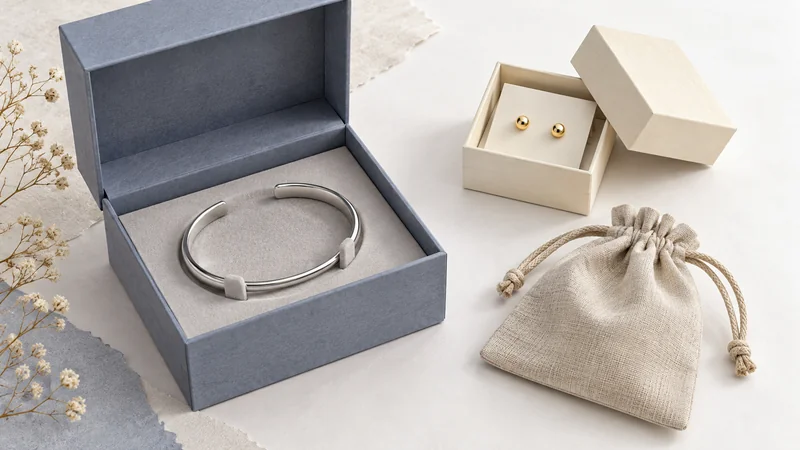
Picture a jewelry gift box with a ribbon that lifts an inner tray, uncovering a handwritten note beneath it. The movement adds a private moment to the gift. A printed code inside the same box could lead to care guidance for the piece. Both are interactive, although they serve different purposes: one deepens the occasion; the other helps the recipient afterward.
The useful starting point is the customer’s experience. A feature earns its place when the action feels inviting and the result feels worthwhile. That might mean a little delight, a clearer first use or an easier route to help.
Five types of interactive packaging
Physical and digital approaches can work separately or together. These five types offer different ways to involve someone, with different implications for the box, the content and the effort required to participate.
1. Physical reveals and moving structures
Sliding sleeves, pull tabs, layered trays, rotating paper elements and pop-up details can make the package respond to the hand. A sleeve might uncover a changing illustration as it moves. A sequence of small compartments can reveal a gift set one item at a time. The structure controls the pace of discovery and gives printed messages a particular moment to appear.
In custom box development, we consider where the fingers naturally go, how much resistance a moving part creates and what remains supported as it opens. A generous ribbon may make a tray easier to lift; a narrow tab can disappear against busy artwork. These details determine whether the opening feels considered or awkward. The interaction should remain understandable with the product inside, when its weight and fit affect the movement.
2. Games, personalization and transformation
Some packs invite people to contribute or create. A gift sleeve can include a puzzle, a carton can unfold into a backdrop for a collectible, or a message panel can give the sender a place to write something personal. A box with rearrangeable dividers might invite its owner to turn it into a small organizer after unpacking.
The activity works best when it belongs to the product or occasion. A puzzle can extend the pleasure of a themed gift; a personal note can make a simple package feel specific to its recipient. For a second use, the structure also needs to suit repeated handling. Describing a box as reusable is less persuasive than giving someone a useful, appealing reason to keep using it.
3. QR codes and linked content
A QR code can take someone from the printed package to a web page, video, product guide or feedback form through a phone camera. It provides room for information that would be difficult to present clearly on a small box, particularly demonstrations, detailed stories or guidance that may need updating.
The destination gives the scan its value. On a watch accessory kit, a code labeled “See how to fit your strap” offers a clear benefit at the moment someone needs it. Sending that person directly to the guide for their kit saves them from searching a general website. A brief, specific invitation beside the code helps people decide whether to take out their phone.
Placement affects that decision too. A code inside a lid may be well positioned for setup guidance, while one intended for shoppers needs to be visible before purchase. Leave sufficient clear space around the code and check it at the intended print size on the chosen surface and finish.
4. NFC tap interactions
Near-field communication, or NFC, uses a tag that a compatible phone can read when brought close to it. A suitably configured tag can lead to digital content, such as a product story or care guide. The tag can be incorporated into the package, with a visible cue showing where to hold the phone.
A tap can feel like a natural extension of handling a premium box, but it adds a component that needs selection, placement and testing. Surrounding materials, including metallic layers, can affect reading performance. Assess the tag in the assembled package on representative compatible phones, and make the invitation clear enough that customers can find the interaction.
5. Augmented reality experiences
Augmented reality, or AR, uses a phone camera to place digital imagery over a view of the package or its surroundings. An illustration on a gift sleeve might become an animated scene, or a pack might provide an entry point to a three-dimensional product demonstration. Depending on the system, the experience may run through a browser or require an app.
AR has particular value when movement or spatial information contributes to the experience. Animation can bring a character’s story into the opening moment; a three-dimensional view can help explain an unfamiliar object. It also requires digital assets, development and ongoing support. Confirm the steps involved before choosing it, because camera permissions, loading and app installation all influence whether someone continues.
What benefits can interactive packaging offer?
The strongest benefits connect the interaction to something the customer already cares about. Four opportunities are especially useful for product brands:
- Clearer product use. A demonstration can show a sequence or movement that is difficult to understand from a small diagram. Packaging becomes a convenient route to guidance at the moment of unpacking. Keep the information needed to get started available in the package, with the digital layer adding explanation and detail.
- A more expressive opening. The order of discovery can communicate care, playfulness, restraint or ceremony. A quiet reveal beneath a tray suits a different brand character from a dramatic pop-up. Structure and artwork can work together to give the product a distinctive introduction.
- A useful connection after purchase. A package can lead to relevant care information, replacement parts, refill options or support where those services exist. This gives customers a reason to return that follows naturally from owning the product.
- More participation and feedback. A personal message, shared activity or short feedback route lets people contribute to the experience. A specific question about assembly or product use can also help a brand identify where its guidance needs improvement.
Digital interactions can provide evidence of participation when the supporting system records it. Interpret those results according to the goal: visits to a setup guide show use of that route, while completed feedback forms provide responses from the people who chose to reply. Neither measure alone establishes that the packaging increased sales or represents every customer’s experience.
Choose the interaction around a real customer moment
A jewelry brand developing a gift box may gain more from a thoughtful message reveal than from asking the recipient to download an app. The private opening is the main event. For a product that requires assembly, the priority may be a clearly marked route to a demonstration. Both choices can strengthen the experience, because each responds to a different need.
Consider how much attention the customer is likely to offer in that moment. A gift recipient may enjoy several layers of discovery. Someone replacing an everyday item may want immediate access. Each extra fold, scan or registration step asks for effort, so the result should justify it. A good interaction is often quite small: one satisfying movement, one relevant answer or one opportunity to add a personal touch.
Budget for the complete experience. A paper mechanism can add parts and assembly work. NFC introduces a tag and integration requirements. AR needs digital production and support. Even a simple QR route needs a useful destination and someone responsible for maintaining it. Compare these commitments alongside the value of the interaction, rather than judging only the appearance of the sample.
For connected packaging, a stable address under the brand’s control can lead to content that is maintained without changing the print. Plan for customers opening remaining stock or returning to instructions after a campaign ends. The package should still be understandable and usable when a customer has no suitable phone or chooses to stay offline.
Develop the package and the experience together
A drawing can communicate an idea; a physical sample reveals how it behaves. Review the package fully assembled with the product inside. Check whether the first action is apparent, the opening sequence feels comfortable and the product remains supported as layers move. Include shipping protection in development so the interactive feature arrives in a condition that invites use.
Test digital features on the relevant printed or assembled sample as well. A fold, reflective finish, curved surface or concealed placement can change how easily a code is scanned. For NFC, review the tag’s position within the actual material construction. Follow the whole route from the invitation on the box to the content on the phone, including its readability and relevance to that product.
Additional features also affect material use and what happens after unpacking. A removable activity card may deliver an idea with less structural complexity than an elaborate mechanism. A keepsake box needs a credible second purpose and suitable durability. Examine those consequences alongside appearance, so that an engaging detail contributes enough to justify what it adds.
At CMIC, we can help translate the intended interaction into paper structures, inserts, printed details and samples, and assess suitable specialist components where needed. Reviewing those elements alongside the intended content helps connect the creative idea with manufacturing and everyday handling. A useful sample gives your team something concrete to judge: the movement, the reveal, the product fit and the ease of taking the next step.
If you are exploring interactive packaging, talk with us about your product and the moment you want to create. Share any existing artwork or digital content, along with the idea behind the experience. We can help compare suitable routes and develop a sample that makes the choice easier to see and feel.