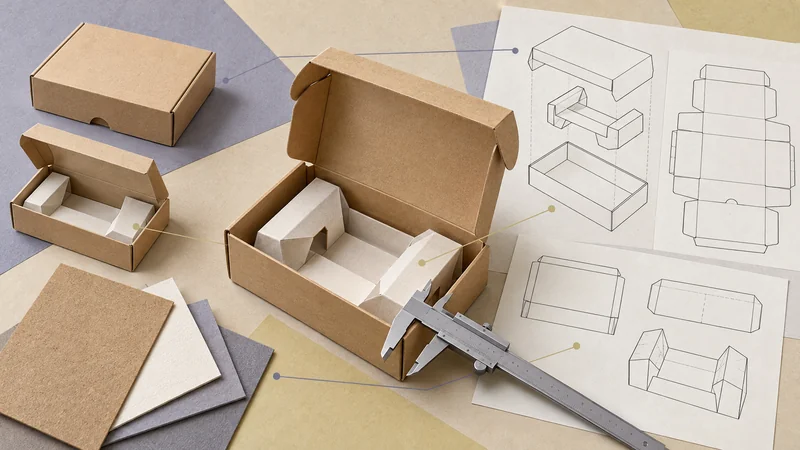
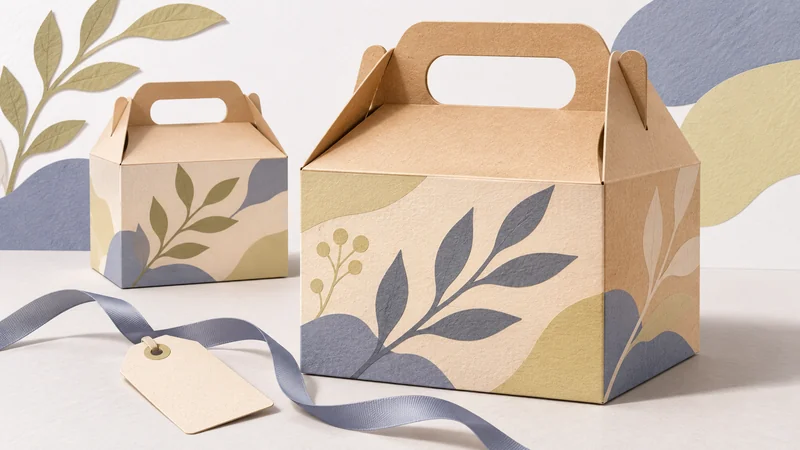
The best custom food boxes for your bakery should help the food arrive as carefully presented as it left your counter. For a celebration cake, that means a stable base and clearance around the decoration. For brownies, it may mean controlling grease marks. For warm pastries, moisture can become the deciding factor. A successful choice brings those needs together with easy packing, recognizable branding and a cost your business can sustain.
At CMIC, we can help turn those conditions into a paper packaging design, bringing structure, materials, inserts and printing into the same discussion. The useful starting point is the food itself and what happens between packing and opening.
Start with the food and its journey
Describe how the food enters the box: warm or cooled, wrapped or exposed, on a board or directly on a liner. Then consider how customers receive it. A pastry carried straight from the counter has a different journey from a cake traveling in a delivery vehicle or a gift assortment shipped to a recipient. These differences determine which parts of the packaging need the most attention.
| Bakery product | Main packaging priority | Useful starting point | What to check in a sample |
|---|---|---|---|
| Celebration cakes | Base support and clearance around decoration | Cake carton with a suitable board or base | Flexing, sliding, lid clearance and lifting |
| Cupcakes and individual tarts | Keeping pieces separated and tops protected | Carton with an insert matched to the cups or bases | Movement during carrying and clean removal |
| Cookies and brownies | Grease control and orderly presentation | Folding carton with an appropriate liner, tray or inner wrap | Oil marks, sticking and condition after the intended holding period |
| Croissants, rolls and pastries | Protecting shape while managing moisture | Carton with space for the normal assortment | Crushing, trapped moisture and condition at handover |
| Gift assortments | Arranged presentation and a satisfying opening | Divided carton or rigid gift box with suitable inner packaging | Movement, access to each item and the complete presentation |
Folding cartons are a strong starting point for many everyday bakery orders because they can combine a printable surface with efficient storage before assembly. A rigid box can give a gift assortment a more substantial feel, particularly when the opening and arrangement are part of the purchase. For parcel delivery, consider an outer shipping pack as well: the presentation box and the shipping protection have different jobs.
A small, coordinated family of boxes often makes more sense than a separate design for every menu item. Cookies and brownies might share an outer size while using different liners or arrangements. Cupcakes may need a dedicated insert. Look for shared formats where they work naturally; this can simplify stockholding and help staff choose the right box quickly.
Get the fit, base and opening right
Measure the complete packed product, including its board, cup, liner, wrapping and decoration. A cake’s menu diameter is a poor box specification: its board may extend farther, and piping may project beyond the cake. Confirm usable internal dimensions with the supplier and allow enough room to load and close the box comfortably. Excess space also matters, because food can move across it during carrying.
For cakes, judge the board and box as a system under the actual load. A board that bends when lifted can disturb the cake even while the box walls remain intact. Inserts have a similar supporting role for smaller products: they should hold the cup or base securely while leaving delicate toppings clear. At CMIC, we can develop the internal dimensions, support and opening together so these relationships can be assessed in a coordinated sample.
Test how the food comes out, too. Try removing the center cupcake from a full assortment while the surrounding pieces remain in place. That small exercise reveals whether customers can reach the cup without brushing frosting with their fingers. A neat arrangement earns its value when it remains enjoyable to open and serve.
Choose materials for the way you pack
Grease resistance should be assessed over the intended holding period. A brownie box can look clean immediately after filling and develop visible marks later. Depending on the food and presentation, a suitable liner, tray, inner wrap or barrier-coated material may provide the required surface. Check whether the liner stays in position and whether oil can reach exposed corners or sidewalls.
Warm pastries introduce a different problem: moisture released after packing can collect inside a closed box and affect texture. Ventilation may help release steam, but the opening size and position also affect exposure and drying. Trial the design at the temperature at which staff will actually pack the food. For refrigerated products, evaluate the box within the intended cold-storage and delivery arrangements, including any condensation it may encounter.
Confirm the intended food-contact construction
Identify every surface the food may touch during packing, carrying and opening. This could include the base, sidewalls, inserts, liners or a window near a tall decoration. If an inner wrap or liner provides the intended contact surface, define how it stays in place and what remains exposed. The appearance of brown kraft, white board or a glossy coating does not establish suitability for that use.
Ask the supplier to identify the material construction and provide relevant food-contact documentation for the intended use and destination market. The supporting information should relate to the actual components and conditions, including the food type, contact duration and packing or storage temperatures. A broad description such as “food grade” leaves too much unexplained. A record for one liner also needs to be understood in relation to the rest of the finished pack.
Make the branding work in the bakery
Choose the visual character that suits your food and positioning. Brown kraft can feel informal and tactile; a smooth white surface gives printed color a different starting point. A window can make an assortment inviting before it is opened, though its position should frame the food without crowding the branding or interfering with support. Review color and finish on the selected material, because a screen preview cannot show the paper’s texture or its effect on the print.
The closure is part of the experience for staff as well as customers. A ribbon can give a gift set packed in advance a sense of occasion. For pastries boxed to order during a busy service, an easy tuck closure may be a better use of staff time. Assemble and fill a sample using the normal counter routine before choosing an elaborate fastening.
For seasonal collections, consider keeping the main box consistent and changing a sleeve, label or card. This can refresh the presentation while keeping the core stock useful across more of the year. It also gives you a clearer choice about where a special finish adds enough value to justify its cost.
Compare the cost of a usable order
Compare quotations against the same specification: dimensions, material construction, liner, insert, printing and finishing. Confirm the quantity for each size and design, and whether samples, setup, assembly and freight are included. Otherwise, a lower quoted unit price may describe a different pack or leave important parts of the order outside the comparison.
Shipping and storage can change the economics of a design. A flat carton and an assembled rigid box may occupy very different volumes while holding the same assortment. For boxes supplied from China to an overseas bakery, include freight, applicable import costs and replenishment time in the decision. The schedule needs to accommodate sampling, approval, production and transit before the bakery runs short.
Order volume should reflect how quickly each format will be used and how much clean, dry storage you have. A lower price at a larger quantity is valuable when the stock remains useful. It becomes less attractive if seasonal printing expires, a menu change leaves the size unsuitable, or awkward assembly consumes time on every order. Spend where the benefit survives into everyday use: reliable support, clean presentation and efficient handling.
Prove the design with your own food
A physical sample turns several uncertain choices into visible decisions. Use it to assess the complete packing routine and journey, while reviewing the proposed food-contact construction and its documentation alongside the trial.
- Pack as you normally would. Use the intended board, liner, insert and closure. Check the packing temperature, assembly effort and access for loading.
- Try the fullest normal order. Include the tallest decoration or heaviest product the format is meant to hold. Check lid clearance, base flexing and any pressure on the food.
- Recreate the expected journey. Carry the pack, place it in the intended delivery bag or outer carton, and test stacking if stacking is part of normal use.
- Inspect at the intended handover time. Look for grease marks, condensation, softened panels, movement, damaged toppings and changes in presentation.
- Open and serve it. Check whether the customer can release the closure and remove the food comfortably, including pieces in the center of an assortment.
A structural mock-up helps settle dimensions and handling. A representative printed sample helps settle appearance on the chosen stock. Bring those decisions into an agreed final specification covering the material construction, food-contact layers, inserts, artwork and shipment format. Keep the approved sample as a reference, and agree how changes to materials or components will be reviewed on repeat orders.
If you are choosing boxes for a bakery range, share your packaging needs with us. Product photos, packed dimensions, packing and storage conditions, delivery method, quantities and destination give us a useful starting point. We can explore suitable paper structures, develop samples and coordinate relevant specialist components or testing where needed, helping you reach a packaging choice that works for both the food and your business.