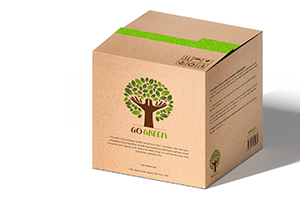
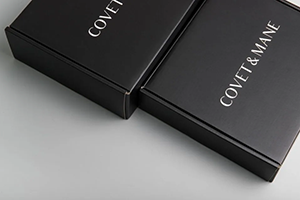
In the whirlwind of modern packaging, sustainability isn’t just some buzzword thrown around at conferences—it’s a genuine responsibility we’ve all got to own up to. But come on, we’ve all heard the horror stories from brand managers: that “green” carton that turns into a limp, soggy disaster on a steamy summer day. A package that’s earth-friendly but can’t keep your goods safe? That’s not saving the planet; it’s setting you up for a world of headaches. The real magic happens when you strike that perfect balance—creating packaging that looks after Mother Nature and your precious products, without forcing you to choose sides.
In this piece, I’ll walk you through how to pull it off. We’ll chat about picking the right materials, tweaking designs for smarts, and adopting a mindset that keeps things real. I’ve been knee-deep in this industry for years, watching brands turn their flimsy, forgettable boxes into tough, planet-positive powerhouses. Hang in there with me, and you’ll pick up some tricks that could change your game.
Why Getting This Balance Right Can Totally Transform Your Brand
Think of packaging as that overlooked middle kid in the family—caught between performing like a champ and not trashing the environment. Folks adore brands that go green with their designs, but they’ll bail if the stuff isn’t tough, attractive, and reliable. Picture a corrugated box splitting open during shipping; it’s not just annoying—it’s a one-way ticket to losing fans for good.
At heart, sustainable packaging is about more than dodging landfills. It’s about being clever with resources from start to finish in the package’s life. Nail it, and you’ve got less waste plus a shiny brand image—talk about a double win. But if you half-ass it, you’re staring down higher returns, ruined products, and disappointed customers who feel like they’ve been duped.
From my time at C MIC Packaging, I’ve seen the shift firsthand, and it’s pretty wild. Back in the day, clients were laser-focused on cheap boxes. Now? They’re showing up saying, “Can you make this sustainable without it crumbling like a bad cookie?” You bet we can, but it starts with those early, thoughtful calls. I’ve seen doubters turn into die-hard believers, and man, it’s satisfying every time.
Kick Things Off by Checking the Environmental Impact Early On
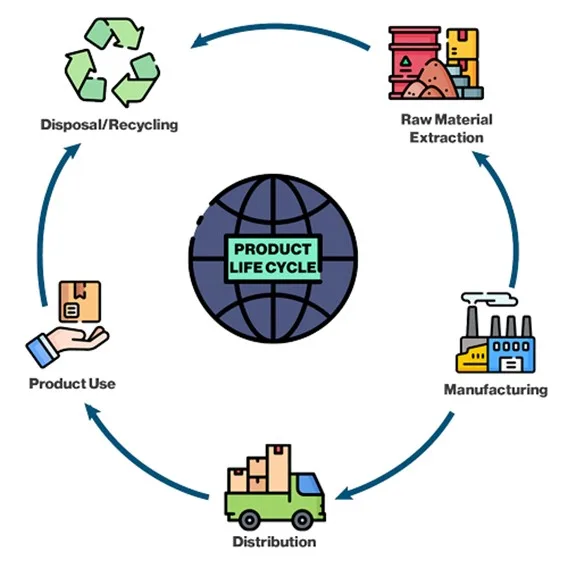
Before you even doodle a rough sketch, take a beat and do a deep dive into the environmental side. This isn’t about slapping on a quick eco-bandage; it’s about looking at the whole journey—from raw materials to the trash bin (or, ideally, the recycling loop).
Ask yourself the hard-hitting questions: Are these materials renewable? Can they really be recycled or composted when the party’s over? And how much energy gets guzzled in making them? Tools like GaBi or SimaPro are absolute gems—they help you crunch the data and pit options against each other, like recycled paperboard versus fresh kraft liner. We’re not chasing perfection here; it’s about making smarter moves, one step at a time.
Nail Down Solid Guidelines for Choosing Materials
Ditch the guesswork and trendy hype—when it comes to materials, you need clear rules to steer the ship. I like to think of it as a rock-solid tripod: sustainability, performance, and practicality. Wobble on any leg, and the whole setup crashes.
For the green angle, zoom in on recycled content, carbon emissions, how easy it is to recycle, and if it jives with local systems. On performance, put it through the wringer—test for crush resistance in boxes, how it handles moisture, pokes, or heat waves, and if it prints well for that brand sparkle.
Practically speaking, make sure it fits your machines, works with printing tech like offset or flexo, and smooths out your supply chain with easy stacking. The fun part? Mixing and matching—like a paper rigid box with corrugated inners for extra oomph. It hits eco targets without wimping out on strength. I’ve helped brands tweak setups like this, and the grins on their faces when it works? Priceless.
Make Recyclability and Easy Breakdown a Design Must-Have
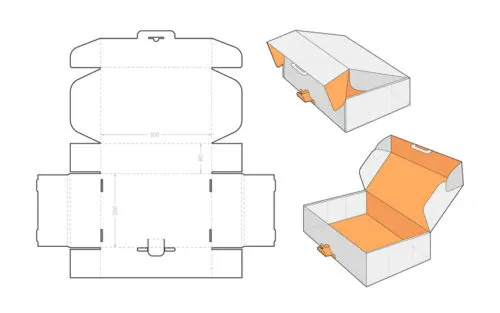
One thing that often gets shoved to the back burner is designing stuff that’s easy to pull apart. If materials are fused together like they’re in a death grip, recyclers just give up, and nothing gets saved.
Little changes pack a punch: Ditch plastic laminates for water-based alternatives, or go all-in on single materials. It’s like untangling a mess into something elegant. And if you must mix things up, make it simple to separate—imagine magnetic boxes where the magnets just pop off.
Over at C MIC Packaging, our team lives by this quirky motto: “How’s this box gonna end its days?” It sounds odd, but it makes us picture its afterlife—reuse, recycle, compost—way before it rolls off the line. Believe me, that kind of thinking saves a ton of trouble down the road.
Boost Durability Without Overdoing It
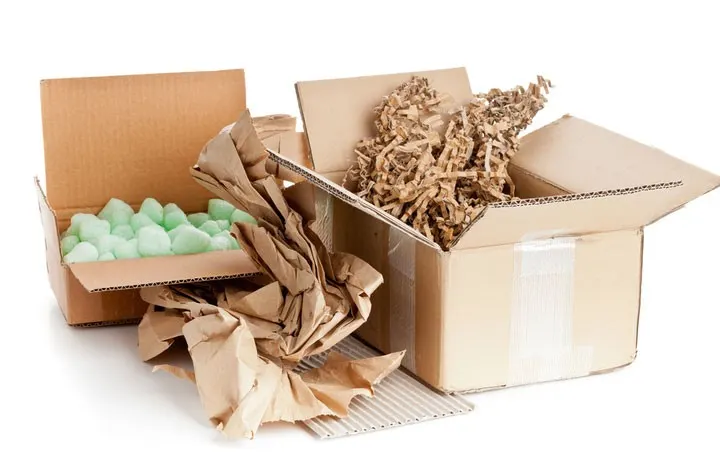
Here’s a twist you might not expect: Throwing more material at a problem doesn’t always mean better protection. Overkill just adds waste and pumps up those shipping emissions—yikes.
Instead, get data-savvy with your structures. Use simulations or ISTA drop tests to tweak thicknesses and fibers precisely. It’s smarter than it sounds.
I remember one client shipping light gift items in these beastly triple-wall boxes. After some solid testing, we switched to slim single-wall E-flute with smart corner boosts. Poof—30% lighter, just as sturdy. Moments like that? They’re why I geek out over this stuff. Merging quality with green vibes feels like striking gold.
Jump into New Materials, But Keep Your Wits About You
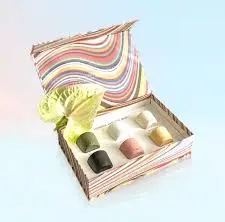
The packaging scene is alive with cool innovations—moulded pulp, biodegradable films, sugarcane boards. It’s thrilling, but diving in headfirst can bite you back.
Always check if it plays nice with your products—does it shorten shelf life or sneak in funky smells? Test printing for brand consistency and how it runs on machines. Rolling these out is no race; it’s like nurturing a plant—start tiny, see what thrives, then go big. I’ve witnessed epic fails from rushing, but the successes? They take everything to the next level.
Be Upfront About Your Green Moves to Build Real Trust
Even the slickest redesign fizzles if people don’t understand the why. Straight-talking communication bridges that gap, showing the real effort behind your eco-packaging.
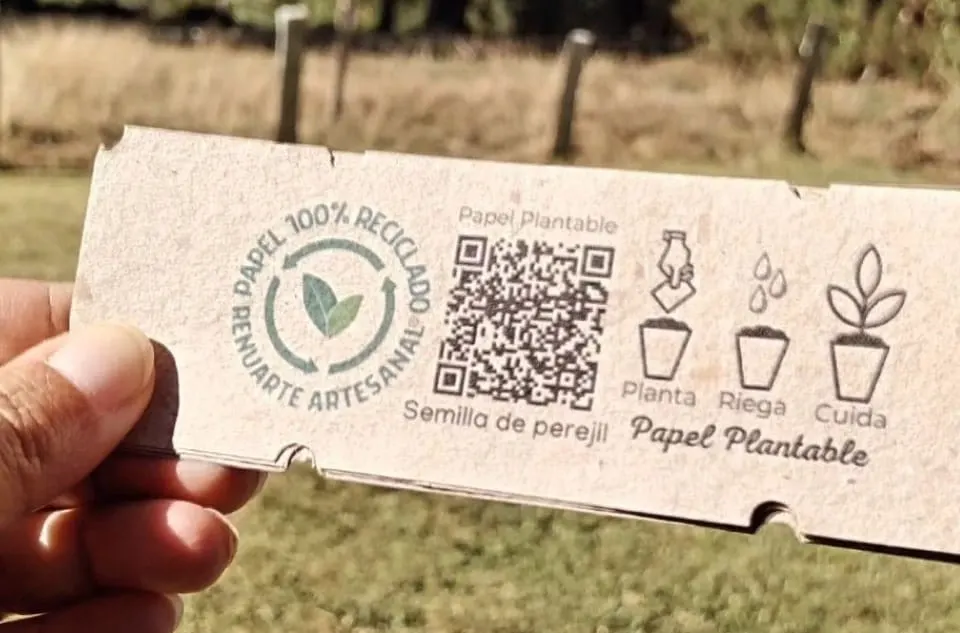
Add simple icons or QR codes that link to quick facts—like CO₂ cuts, recycling tips, or what makes your solutions green. Skip the overblown claims; go for honesty and proof. People can spot fakery a mile off. Something plain like “Crafted from 100% recycled paper with soy ink” hits harder than vague “eco-friendly” fluff.
A Real-Life Win: Blending Toughness with Planet Love
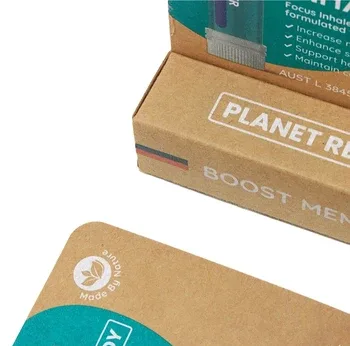
Get this: A skincare brand rolled up to C MIC Packaging needing a recyclable box for fragile glass jars. Their initial try? Kraft paper with glossy laminate to block oil stains—pretty, but a recycling nightmare.
We flipped to uncoated FSC-certified liner with water-based varnish. Boom—it repelled oils, kept the luxe feel, and recyclability shot up 85%. Waste dropped, their green story soared, and style stayed intact. Tales like this get me pumped—they prove balance isn’t a pipe dream; it’s a game-changer.
Thread Sustainability All Through Your Supply Chain
Sustainability doesn’t stop at the box; it flows into how you move stuff. Go for flat-packs, bulk stacking, or local suppliers to shrink that carbon trail.
Sourcing from nearby mills? Cuts miles. Foldable rigid boxes? They pack containers tight, slashing emissions on long hauls. At C MIC Packaging, we team up with clients to tweak loading plans, always balancing toughness and eco-perks. Even a small 5% gain snowballs over loads of shipments—it’s those everyday wins that keep the momentum going.
Wrapping It Up: Make Sustainable Quality Your Everyday Vibe
Finding that equilibrium between sustainability and quality isn’t a quick fix—it’s a living conversation, shaped by new materials, rules, and what customers crave.
Great eco-design covers the basics: Protecting products in transit, using resources wisely, and lifting your brand with authentic green cred. Brands that dive in don’t just follow trends—they lead them. As one of our engineers at C MIC Packaging says, “The best box hauls a product and a purpose.”
If you’re plotting a packaging revamp that needs this clever harmony, hit us up at C MIC Packaging. We’d be thrilled to whip up a custom green solution that’s tough, smart, and sustainably spot-on for your brand.